4.9 / 5

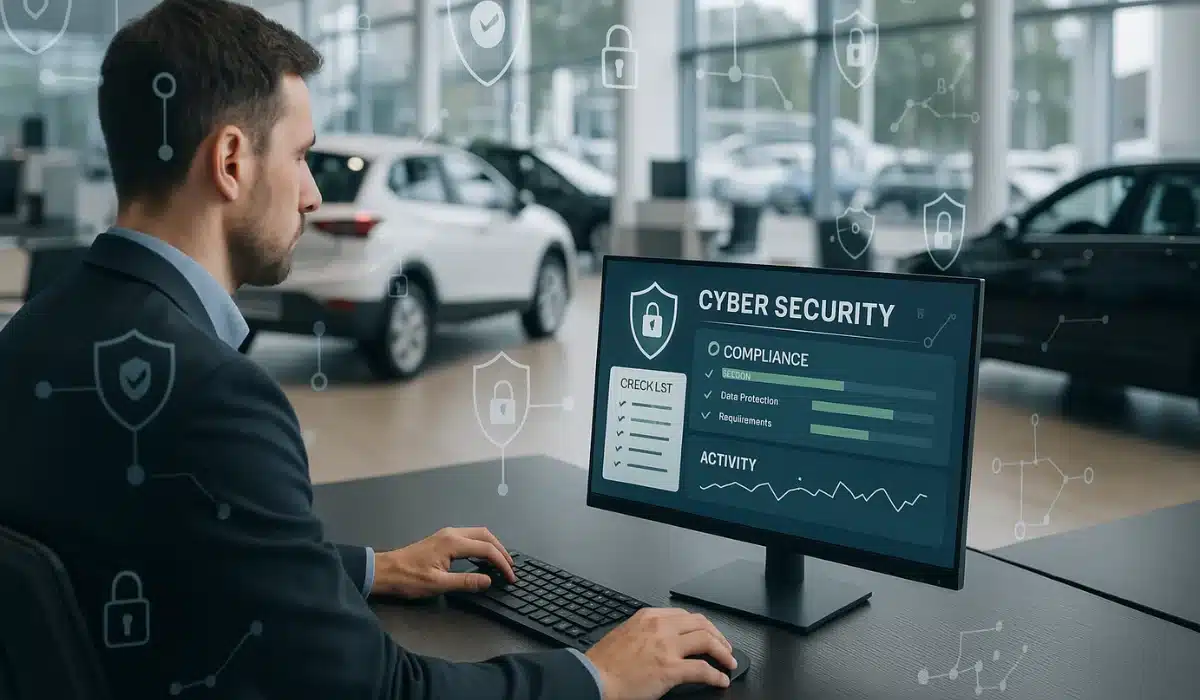
If you run a car dealership, your data is more valuable than you realize. Every day, auto dealers like you handle massive volumes of sensitive customer information, financing details, and inventory records, making your business a prime target for cybercriminals.
In 2024, one-third of U.S. dealerships faced a cyberattack, and 92% of those incidents disrupted revenue or operations (CDK Global).
The threats aren’t just hypothetical. The automotive industry is facing a surge in real-time cyberattacks, including ransomware, phishing, and data theft. Your legacy systems, third-party integrations, and under-trained staff can open the door to unauthorized access, stolen customer data, and prolonged downtime. And without the right security systems, firewalls, and incident response plan in place, recovery can be both painful and expensive.
This guide breaks down the specific vulnerabilities facing car dealers today. It outlines how managed IT services can deliver bulletproof data protection, streamline your security posture, and help you stay compliant with federal regulations.
From endpoint protection and penetration testing to employee training and network segmentation, you’ll see what it takes to implement dealership cybersecurity that works.
Key Takeaways
- If you can’t prove compliance, you don’t just risk fines. You risk losing your financing and manufacturer partnerships. Treat cybersecurity like an operational requirement, not just an IT concern.
- Most attacks don’t involve expert hackers. They exploit everyday vulnerabilities, like untrained staff, outdated software, and unsecured vendor access.
- Mixing legacy systems with cloud apps often creates hidden vulnerabilities. Audit your tech stack regularly to identify and eliminate blind spots before attackers can exploit them.
- Downtime affects more than just systems. It can stop sales, damage trust, and cost more than prevention ever will.
- Cybersecurity is no longer optional for car dealers. Building a dealership security program with real-time monitoring, role-based access, and employee training is now essential to staying competitive.
Why Auto Dealerships Are Prime Targets for Cyber Threats
Auto dealerships are prime targets because they store large volumes of personal and financial data about their customers. Sensitive customer data, including Social Security numbers, addresses, and banking information, makes dealerships lucrative targets for hackers. Cybercriminals often exploit vulnerabilities stemming from the dealerships’ expansive employee base, increasing risks of insider errors and susceptibility to phishing scams.
Many dealerships also use legacy systems alongside cloud-based apps, which complicates their cybersecurity infrastructure and creates vulnerabilities for cyber threats. Systems such as those provided by CDK Global, commonly used by dealerships, can present supply chain risks if integrations aren’t correctly secured.
Connections with third-party vendors, such as financing institutions, Department of Motor Vehicles (DMV) systems, and parts suppliers, introduce additional layers of vulnerability.
Common cyber threats faced by auto dealerships include ransomware attacks, phishing schemes, Business Email Compromise (BEC), data theft, and malware. Upstream Security reported a surge in automotive cybersecurity incidents, increasing from 295 in 2023 to 409 in 2024, highlighting a rapidly escalating threat landscape.
Essential Compliance Requirements Auto Dealerships Must Follow
Auto dealerships must adhere strictly to compliance regulations to protect customer data and maintain operational legitimacy:
- The Federal Trade Commission (FTC) Safeguards Rule (Gramm-Leach-Bliley Act) mandates that dealerships protect customer data with robust security programs, risk assessments, and ongoing monitoring.
- The Payment Card Industry Data Security Standard (PCI DSS) requires the secure processing of credit card transactions to prevent financial data breaches.
- State privacy laws such as the California Consumer Privacy Act (CCPA) require specific protections for personally identifiable information (PII).
- Manufacturers and financing partners impose rigorous cybersecurity expectations, often requiring evidence of proactive security measures and regular risk assessments.
Non-compliance poses severe risks, including substantial fines, loss of partnerships with key financial institutions and manufacturers, and significant reputational harm.
How Managed IT Services Enhance Dealership Security and Compliance
Managed IT services provide auto dealerships with comprehensive cybersecurity strategies that include:
- 24/7 Monitoring & Threat Detection: Immediate identification and response to suspicious activity, preventing unauthorized access.
- Endpoint Security: Protection of employee devices against malware, ransomware, and phishing attacks.
- Secure Wi-Fi and network segmentation: Separate guests from internal networks to reduce breach risk.
- Automated Data Backups and Disaster Recovery: Ensures dealership continuity even in the event of incidents, reducing downtime.
- Data Encryption: Protects sensitive customer and financial information both at rest and in transit.
- Role-Based Access Control & Multi-Factor Authentication (MFA): Limit access to sensitive systems by adding extra layers of security.
- Employee Cybersecurity Training: Educates staff through phishing simulations and promotes good password hygiene to mitigate human error and prevent cyber threats.
- Vendor and Third-Party Risk Management: Regularly assesses and mitigates risks from third-party integrations and service providers.
| Feature | Unmanaged IT | Managed IT |
|---|---|---|
| Backup Strategy | Manual, irregular | Automated, redundant |
| Disaster Recovery | Ad-hoc | Planned, documented |
| Cybersecurity | Basic antivirus | Advanced monitoring |
| Third-party Risk | Minimal oversight | Active management |
| Support Availability | Limited to business hours | 24/7 rapid response |
Consequences of Neglecting IT Security
When it comes to dealership cybersecurity, the stakes couldn’t be higher. If you’re not prioritizing IT security, you’re putting your operations, reputation, and customer relationships at serious risk.
Imagine this: Your dealership is hit with a ransomware attack. Suddenly, you can no longer access customer records, financing data, or inventory systems. Your team scrambles while operations grind to a halt. Customers are frustrated, and critical partners, such as financing institutions and manufacturers, cut ties due to security concerns.
Dealerships face an average of 16 days of downtime after a ransomware attack, with payouts often exceeding $228,000. Even more alarming, 84% of customers say they wouldn’t return to a dealership that exposed their data.
These aren’t just numbers; they represent lost sales, regulatory penalties, and long-term reputational damage that’s tough to recover from. And the worst part? Much of it is preventable.
With proper firewalls, systems, and an incident response plan in place, you can limit exposure and protect your operations. A well-managed IT environment means real-time detection, faster recovery, and fewer compliance headaches.
Don’t wait for a breach to find out where your vulnerabilities lie. Investing in dealership cybersecurity now gives you the protection you need to stay competitive and credible.
Let Diamond IT help you secure what you’ve worked hard to build.
Selecting the Right Managed IT Partner for Your Dealership
Choosing the right managed IT partner is one of the most important decisions you’ll make when it comes to protecting your dealership. You need a partner who understands the unique demands of the automotive industry and can help you stay ahead of emerging threats and compliance requirements.
As you evaluate potential providers, focus on those who offer deep knowledge of dealership cybersecurity and a proven track record with auto dealers. The right partner will align with your goals, scale with your growth, and provide a response plan your team can count on.
Look for a managed IT provider that offers:
- Experience with dealership-specific systems like Dealer Management System (DMS), Customer Relationship Management (CRM), and Point of Sale (POS) platforms.
- Experience with compliance standards, including the FTC Safeguards Rule and data protection best practices.
- Support for multi-location operations, ensuring your entire network stays secure and coordinated.
- Clear Service Level Agreements (SLAs) that define real-time response expectations, especially during cybersecurity incidents.
- A prevention-first mindset, using proactive measures like penetration testing, endpoint monitoring, and employee training.
Ultimately, you want a team that understands the real-world challenges facing car dealers and is equipped to help you maintain business continuity, avoid data loss, and protect your reputation.
When you choose the right partner, you’re building a foundation for long-term dealership security and success.
Why Leading Dealerships Choose Diamond IT
You’ve seen what’s at stake and what’s possible. Dealership cybersecurity is no longer optional. With real-time threats rising across the automotive industry, every dealership needs a proven strategy for data protection, compliance, and operational resilience.
Diamond IT provides the tools, systems, and support you need to safeguard your car dealership against ransomware, unauthorized access, and reputational damage. From incident response planning to firewalls, penetration testing, and compliance automation, our team helps auto dealers establish robust security systems that safeguard sensitive customer data and foster trust.
Ready to secure your dealership and stay compliant? Let’s talk.
Schedule your free security review today. We’d love to show you how we can help your dealership stay secure, confident, and in control.
FAQ
What cybersecurity threats are most common for auto dealerships?
Dealerships frequently face ransomware, phishing attacks, business email compromises (BEC), malware infections, and data theft. These threats exploit vulnerabilities in legacy systems, human errors, and third-party integrations, making comprehensive cybersecurity measures essential.
How does the FTC Safeguards Rule affect my dealership?
The FTC Safeguards Rule requires dealerships to implement a detailed information security program, conduct regular risk assessments, and ensure employee training to protect sensitive customer data. Non-compliance risks include severe fines and damaged reputation.
Why is employee cybersecurity training important for dealerships?
Employees are often the weakest link, making them susceptible to phishing and social engineering attacks. Regular training enhances awareness, reduces the risk of successful attacks, and helps dealerships maintain compliance and customer trust.