4.9 / 5

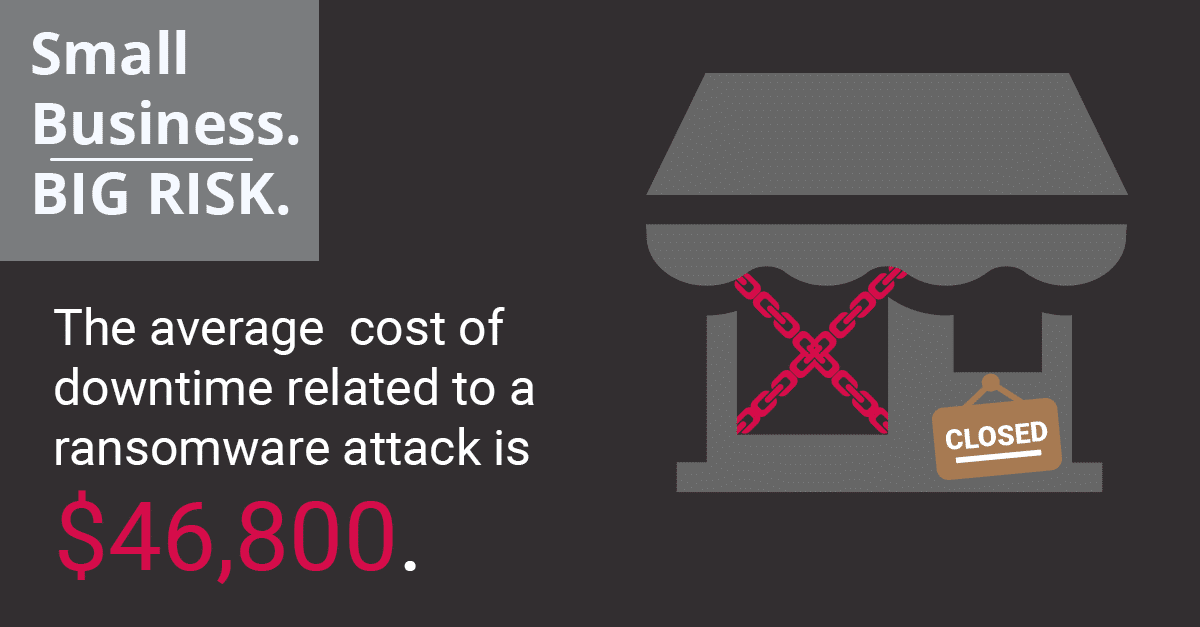
A data breach does not result in a single bill; it incurs a series of costs that can persist even after systems are back online.
For professional service companies, the consequences may include expenses for incident response, delays in client projects, legal review, notification requirements, and strained client relationships.
A more effective strategy is to assess the four cost areas that can impact the business most directly. This guide explains each of them in detail.
Key Takeaways
- Treat downtime as the primary breach cost because lost billable hours often exceed ransom demands.
- Quantify breach exposure across downtime, compliance, and client retention before setting cybersecurity budgets.
- Strengthen backups and recovery plans to reduce outage duration and protect revenue during an attack.
- Map security controls to FTC, HIPAA, SEC, and client confidentiality requirements before regulators get involved.
- Invest in prevention to avoid the compounding costs of recovery, enforcement actions, and client churn.
Average Cost of a Data Breach for Small Business: What Firms Actually Pay
The headline figures come from large enterprises, so many partners assume the numbers do not apply to a 40-person firm. The opposite is true. Smaller firms carry the same regulatory data requirements and client trust obligations, with far less budget to absorb the hit.
The average cost of a data breach for a small business is rarely a single number. It is the sum of direct costs you can invoice against and hidden costs you discover later: forensic investigation, system rebuilds, legal counsel, regulator notifications, higher insurance premiums, and the staff hours pulled off client work to manage the response.
Cost 1: Ransom and Extortion
Ransomware can create immediate pressure because the attacker may block access to systems, copy sensitive information, or threaten disclosure.
Verizon’s 2025 small- and medium-sized business snapshot found that ransomware-related breaches represented 88 percent of SMB breaches in its dataset. The figure does not predict what will happen to every firm, but it shows why ransomware preparation belongs in a small-business security plan.
Payment is not the only cost. A firm may still need forensic investigation, system recovery, credential resets, legal guidance, and an assessment of the original access point. If information was copied, the response may also need to address notification and disclosure risks.
Tested backups can reduce the attacker’s operational leverage by giving the firm a recovery path. They work best alongside endpoint protection, monitoring, incident-response planning, and clear recovery targets.
Cost 2: Downtime and Lost Billable Hours
Professional services firms depend on access to files, communication tools, billing systems, and specialized applications. When those systems are unavailable, the impact reaches beyond IT.
A law firm may lose access to case documents before a filing deadline. An accounting practice may face disruption during a time-sensitive reporting period. A financial advisory firm may need to restore secure access to client records and communication tools quickly.
The cost may include:
- Lost or delayed billable work.
- Staff time redirected to recovery tasks.
- Missed deadlines or postponed deliverables.
- Overtime required to clear a backlog.
- Client communication and service-recovery work.
A written incident-response plan helps the team decide what to restore first. Backup testing, documented recovery targets, and clear ownership can reduce the time spent making decisions during an outage.
Cost 3: Compliance Penalties and Notification
A breach may create legal and compliance work even after systems are restored. . The obligations depend on the firm’s activities, the data involved, its clients, and the rules that apply.
In 2024, the HHS Office for Civil Rights collected $9.9 million through 22 enforcement actions resolving HIPAA violations, most of which were tied to reported breaches.
The frameworks that govern your firm define what happens after a breach, including notification requirements, documentation obligations, and potential enforcement actions.
- FTC Safeguards Rule: Requires covered financial firms to maintain a written information security program and demonstrate reasonable safeguards.
- HIPAA: Requires organizations handling protected health information (PHI) to follow strict breach notification and security requirements.
- SEC Regulation S-P: Requires investment advisers and broker-dealers to protect client records and respond appropriately to security incidents.
- ABA Model Rule 1.6: Requires attorneys to take reasonable steps to protect confidential client information.
Naming the right framework matters because the penalty structure, the reporting clock, and the documentation a regulator expects all differ. A clear view of your information security compliance obligations before an incident keeps this layer from turning into the highest cost of all.
Cost 4: Reputation and Client Loss
Professional services run on trust, and a breach spends it. Clients hand you their most sensitive records on the assumption you can protect them. When that assumption breaks, some leave, and prospects choose a competitor without ever telling you why.
Lost business was among the largest drivers of breach costs in 2024, averaging $1.47 million per incident due to customer churn, lost revenue, and the cost of winning clients back.
That figure shows how the financial impact of cyber attacks outlasts the technical recovery. Firms absorb the loss for months, and passing it to clients risks the relationships that survived the incident. Referrals slow, renewals stall, and the partners who recommended you grow cautious.
The defense is no longer a single tool. Layered protection across identity, email, endpoints, and backups, built on the 7 layers of cybersecurity, reduces both the odds of a breach and the damage when one lands. The goal is simple: keep an incident small enough that it never becomes a story your clients hear about.
The Four Costs of a Breach at a Glance
| Cost Category | What It Includes | Typical Range | Control That Limits It |
|---|---|---|---|
| Ransom and extortion | Demand payment, forensic confirmation, and data leak exposure | $10K into six figures | Secure, tested, offline backups |
| Downtime | Lost billable hours, missed deadlines, and idle staff | Over $100K for most significant outages | Incident response plan, fast recovery targets |
| Compliance penalties | Notification, investigation, and regulator fines | OCR and FTC enforcement, plus notification and legal costs | Compliance-ready controls and written records |
| Reputation and client loss | Churn, stalled referrals, lost prospects | About $1.47M average lost business | Layered defense, breach prevention, fast containment |
The pattern is consistent: the visible ransom is small, and the costs that follow are where firms actually bleed.
How Diamond IT Limits Breach Cost for Professional Services Firms
Diamond IT has spent 28 years working exclusively with professional services firms across California and Indiana: law firms, accounting firms, financial advisors, and engineering firms. That focus means your provider already understands your practice management software, your compliance calendar, and the deadlines that make downtime so expensive for your specific firm.
Diamond IT maps controls to the obligations you actually carry, whether that is FTC Safeguards for a financial advisory practice or client confidentiality duties for a litigation team. The firm’s 97% client retention rate reflects how that specialization plays out over years of partnership, not one-off projects.
The work spans layered managed security, secure, tested backups, security assessments that identify gaps before an attacker does, and co-managed support for firms with in-house staff.
As a managed IT partner built for professional services, Diamond IT aligns each control to the cost it is meant to prevent, so a single incident never turns into the four-figure-per-hour problem this article describes.
If you want a clear view of where your firm is exposed and what an incident would actually cost you, Diamond IT can run a security assessment that maps your gaps to the four cost categories above.
Start with a security assessment
FAQs
How Much Is the Average Cost of a Data Breach for Small Businesses?
There is no single figure, because the average cost of a data breach for a small business depends on how long you stay down and what data is exposed.
The reported average reached $4.88 million in 2024, and even a contained incident at a small firm combines forensic work, recovery, legal counsel, and lost billable time. Regulatory enforcement under rules such as the FTC Safeguards Rule, plus notification and legal costs, can add to that total.
Why Does Downtime Cost More Than the Ransom?
A ransom is one possible expense. Downtime can affect multiple parts of the business at once: staff productivity, billable work, deadlines, client communication, and recovery workload.
A written incident-response plan, tested backups, documented recovery targets, and clear ownership can help reduce the disruption.
Which Compliance Penalties Apply After a Breach at a Financial or Law Firm?
The answer depends on the firm, the information involved, and its regulatory status. Covered financial institutions may need to evaluate the FTC Safeguards Rule. SEC-covered institutions may need to address Regulation S-P.
HIPAA obligations may apply to covered entities and business associates handling protected health information. Law firms should evaluate the professional-conduct rules that apply in their jurisdiction. Legal and compliance advisers should confirm the specific requirements.